The customer experience represents the culmination of all delivery systems and processes working together. While logistics and technology provide the foundation for efficient operations, the ultimate measure of success is how customers perceive and experience the delivery service. This article examines the key factors that influence customer satisfaction in pizza delivery, from delivery expectations to food quality maintenance.
Delivery Expectations and Time Management
Customer expectations for delivery times have evolved significantly with advances in technology and increased competition. Today's customers expect accurate delivery time estimates, real-time tracking capabilities, and consistent reliability. The promise of delivery within a specific timeframe has become a standard expectation, with customers increasingly intolerant of delays or missed time windows.
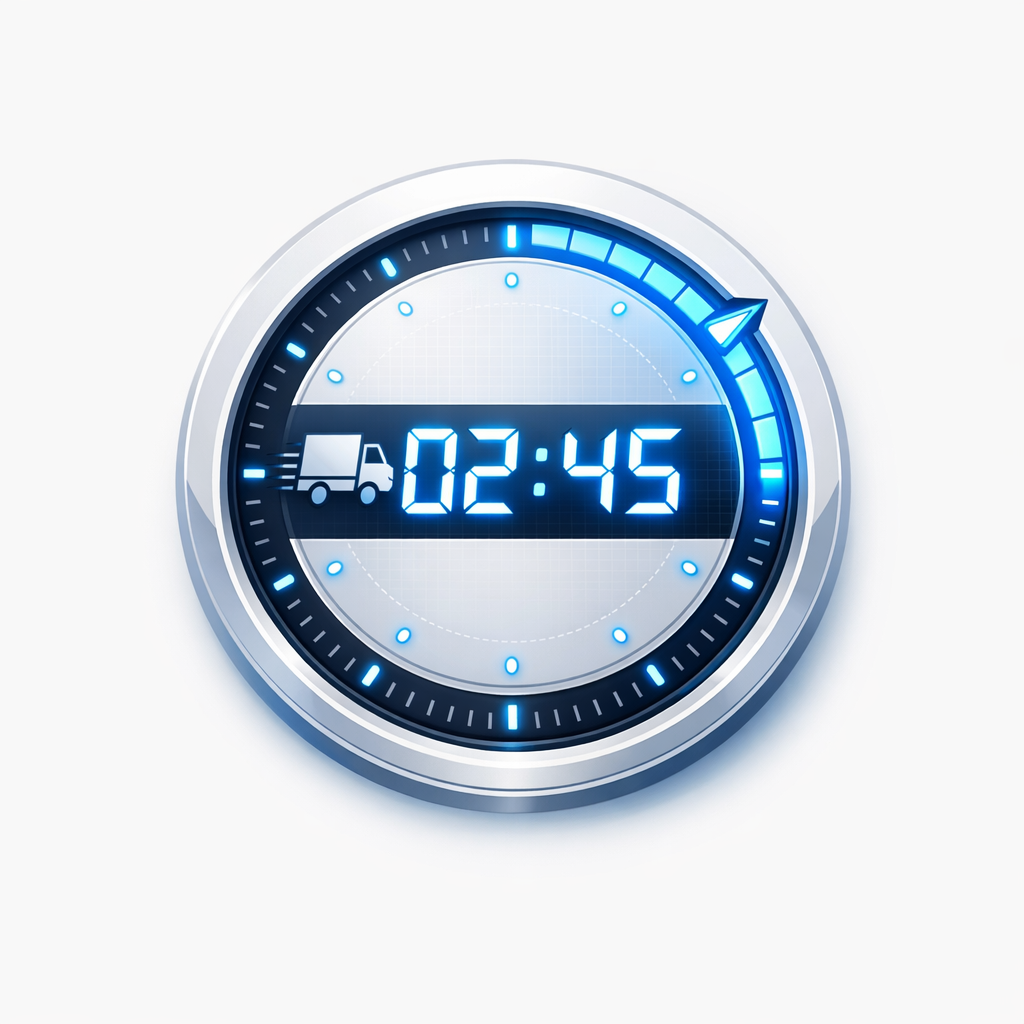
Managing these expectations requires sophisticated systems that can provide accurate time estimates while accounting for variable factors such as traffic, weather, and order volume. Modern delivery platforms use predictive algorithms that analyze historical data and real-time conditions to generate realistic delivery time promises. When delays occur, proactive communication helps manage customer expectations and maintain satisfaction.
Factors Influencing Delivery Times
Multiple variables affect delivery timing: order volume and kitchen capacity, traffic patterns and road conditions, weather events, driver availability and location, distance to delivery address, order complexity, and time of day. Understanding these factors helps operators set realistic expectations and communicate effectively with customers about potential delays.
Timing Variability and Peak Periods
Delivery times naturally vary throughout the day and week, with peak periods creating significant challenges for maintaining consistent service levels. Lunch rushes (typically 11 AM to 1 PM) and dinner peaks (6 PM to 9 PM) see order volumes increase dramatically, straining kitchen capacity and driver availability. Weekends, holidays, and special events can create additional demand surges.
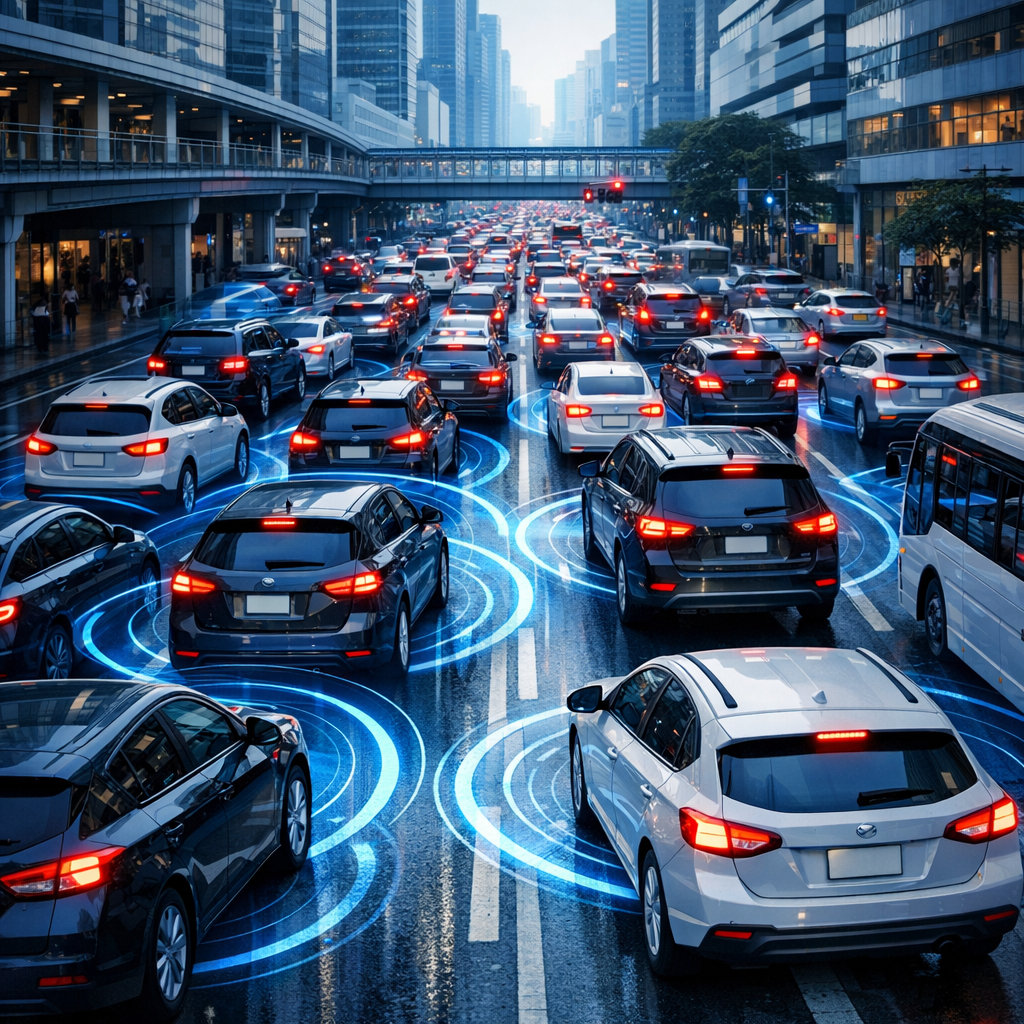
Successful operators implement strategies to manage these variability challenges, including dynamic staffing adjustments, increased kitchen capacity during peak periods, and optimized scheduling systems. Some operators use surge pricing or extended delivery time estimates during peak periods to manage demand and set appropriate customer expectations. Communication about potential delays during busy periods helps maintain customer understanding and satisfaction.
Weather represents another significant source of timing variability. Rain, snow, extreme temperatures, and severe weather events can dramatically impact delivery times and operations. Advanced weather monitoring systems enable operators to anticipate weather-related challenges and adjust operations proactively, communicating with customers about potential delays and implementing contingency plans to maintain service quality.
Food Quality Maintenance During Transport
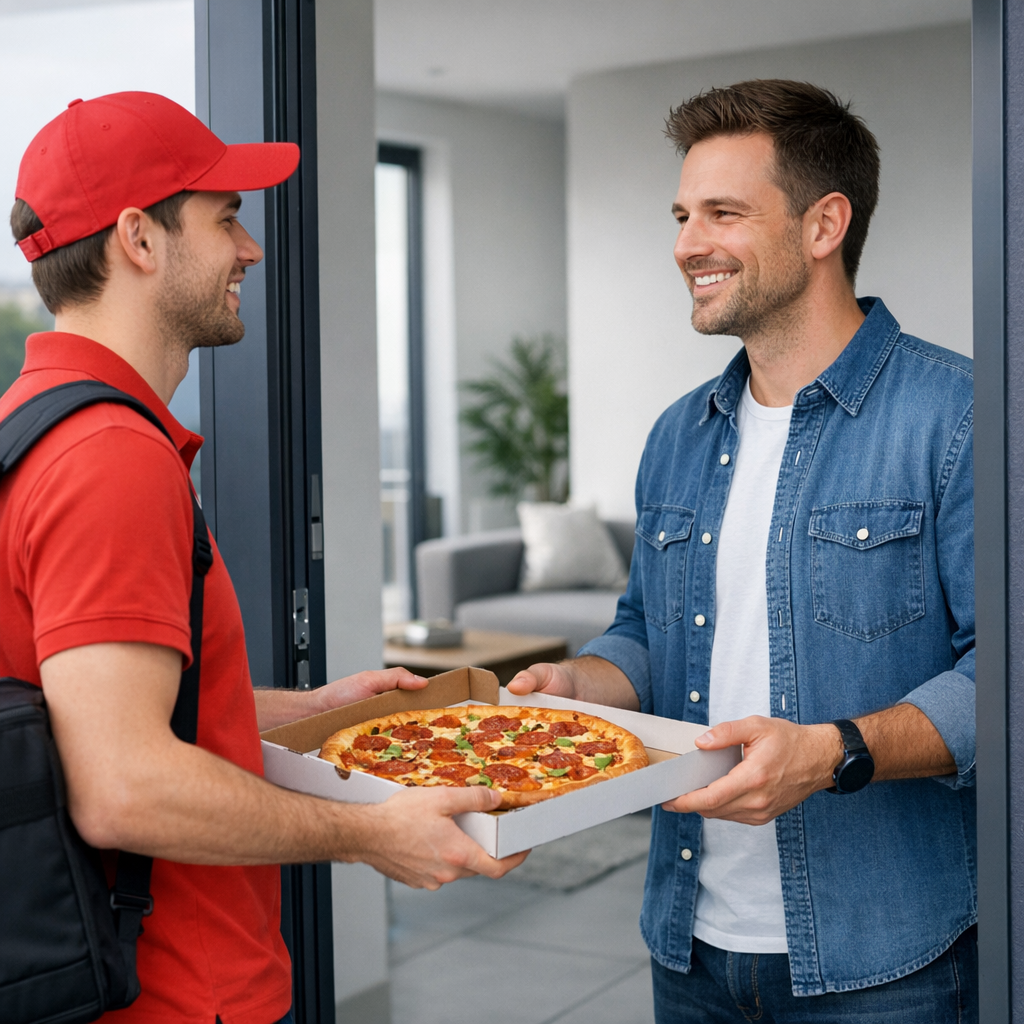
Maintaining food quality during transport represents one of the most critical challenges in delivery operations. Customers expect their pizza to arrive hot, fresh, and in optimal condition—expectations that become increasingly difficult to meet as delivery distances and times increase. The industry has developed sophisticated solutions to address these challenges.
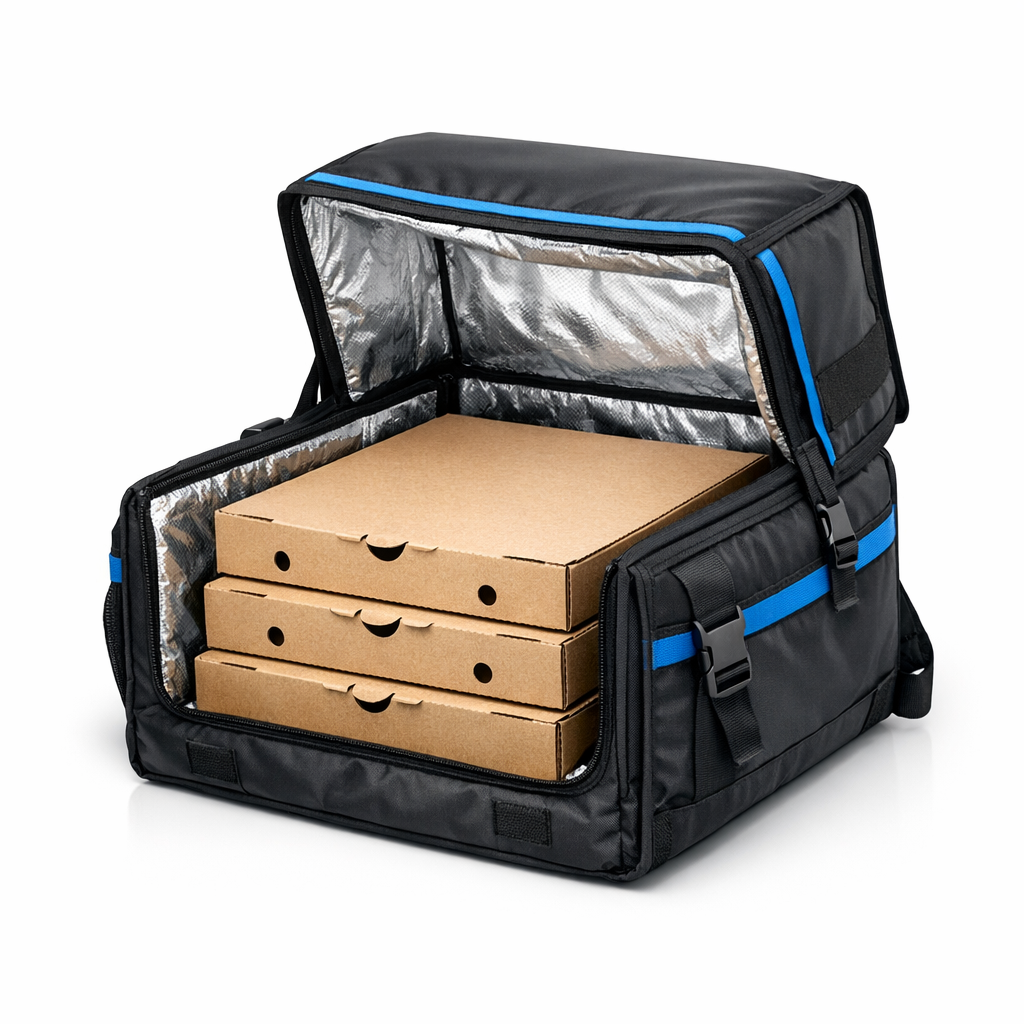
Thermal delivery bags with advanced insulation materials represent the first line of defense in maintaining food quality. These bags use multiple layers of insulation, reflective materials, and sometimes active heating elements to maintain optimal temperatures during transport. Some advanced bags incorporate temperature monitoring systems that alert drivers if food temperature falls below acceptable levels.
Packaging innovations have also contributed significantly to food quality maintenance. Ventilated pizza boxes prevent moisture buildup while retaining heat, specialized containers keep sides and beverages at appropriate temperatures, and secure packaging prevents spills and damage during transport. These packaging solutions work together to ensure that food arrives in the best possible condition.
Food Quality Preservation Techniques
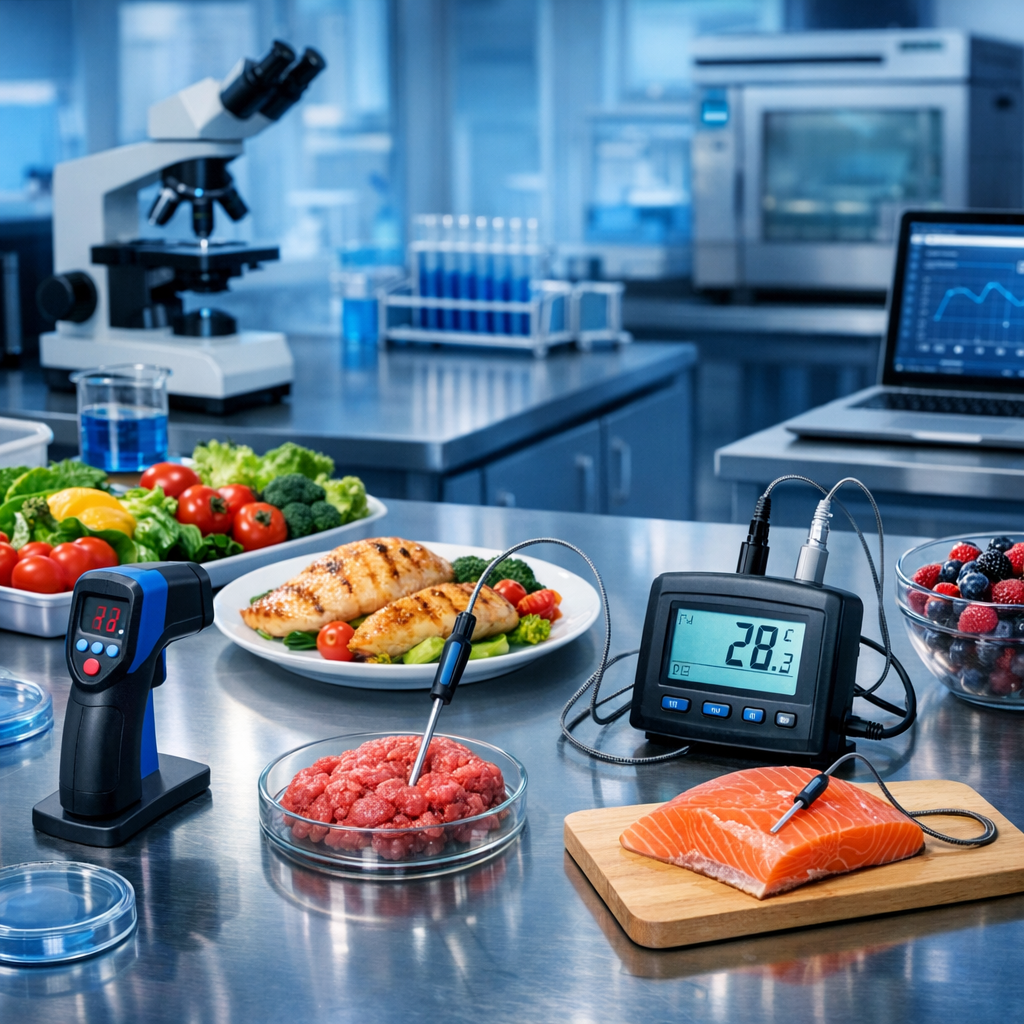
Modern delivery operations employ multiple strategies: thermal insulation bags with temperature monitoring, optimized packaging design for heat retention, strategic loading sequences to minimize heat loss, driver training on proper handling techniques, quality control checkpoints before dispatch, and temperature verification systems. These comprehensive approaches help maintain food quality throughout the delivery process.
Communication and Transparency
Effective communication has become increasingly important in managing customer expectations and satisfaction. Modern delivery platforms provide customers with real-time updates at every stage of the process—from order confirmation and preparation status to driver location and estimated arrival time. This transparency reduces uncertainty and helps customers plan accordingly.

When issues arise, proactive communication becomes even more critical. Delay notifications, order modifications, and delivery problems should be communicated promptly and clearly, with appropriate explanations and, when necessary, compensation. Customers appreciate transparency and are more likely to remain loyal when operators communicate honestly about problems and take responsibility for resolving them.
Two-way communication capabilities enable customers to provide special instructions, report issues, or request changes during the delivery process. Modern platforms incorporate chat features, direct driver communication, and customer service integration to facilitate this interaction. This communication flexibility enhances the customer experience and enables operators to address issues quickly and effectively.
Customer Feedback and Continuous Improvement
Collecting and analyzing customer feedback provides valuable insights for improving delivery operations. Modern platforms incorporate multiple feedback collection mechanisms, including post-delivery surveys, rating systems, and review platforms. This feedback helps operators identify strengths, weaknesses, and opportunities for improvement.
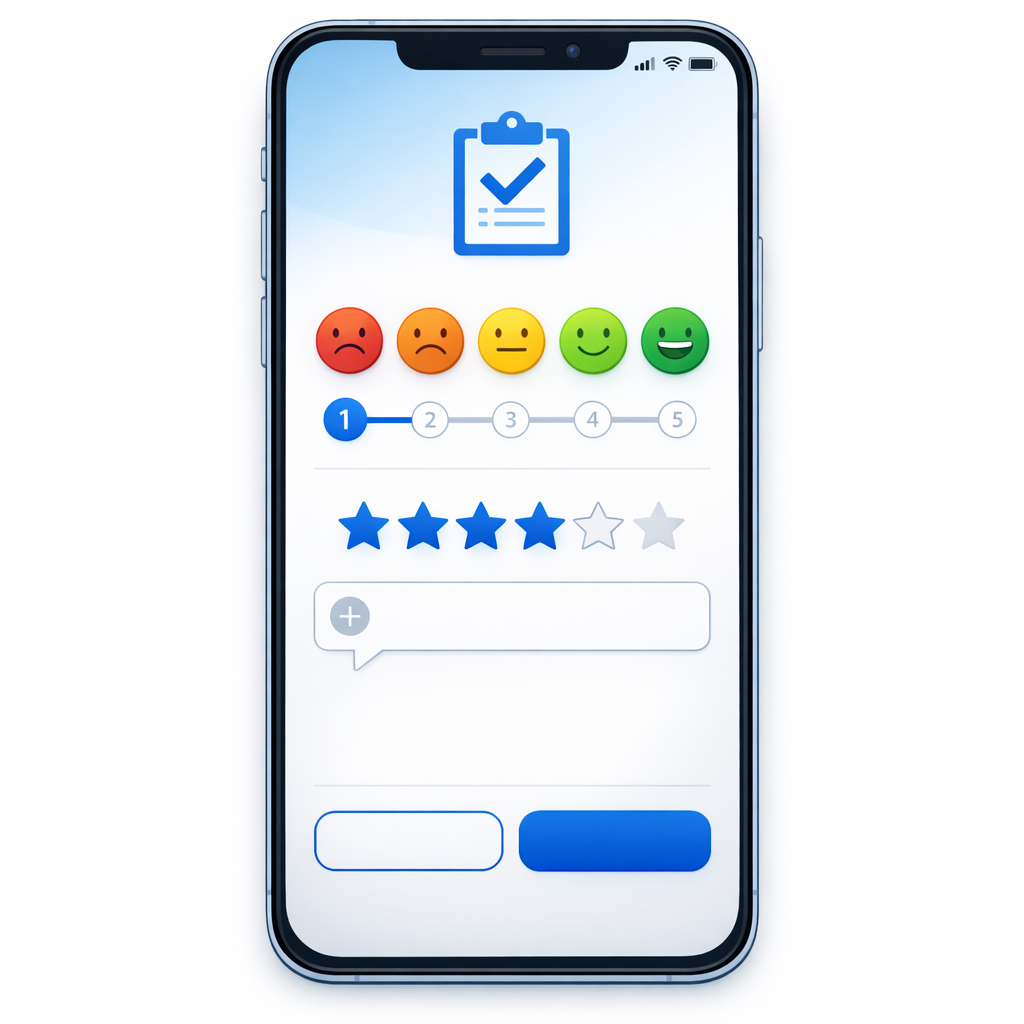
Advanced analytics platforms process this feedback data to identify patterns and trends. Operators can track satisfaction metrics over time, correlate feedback with operational variables, and identify specific areas requiring attention. This data-driven approach enables continuous improvement and helps maintain high service levels even as operations scale and evolve.
Customer feedback also informs strategic decisions about service offerings, delivery areas, and operational investments. Understanding what customers value most—whether it's speed, accuracy, food quality, or communication—helps operators prioritize resources and focus improvement efforts on the factors that matter most to their customer base.
The Future of Customer Experience
As technology continues to advance, the customer experience in pizza delivery will continue to evolve. Emerging technologies promise even greater personalization, convenience, and transparency. Artificial intelligence will enable more accurate predictions and personalized recommendations, while augmented reality may enhance the ordering and tracking experience.
Autonomous delivery vehicles and drone delivery systems may transform the delivery experience entirely, potentially reducing delivery times and increasing reliability. These technologies will also create new challenges and considerations for customer experience, requiring operators to adapt their approaches to communication, transparency, and service quality.
Despite these technological advances, the fundamental principles of excellent customer service remain constant: reliability, transparency, quality, and responsiveness. Technology provides tools to enhance these principles, but human judgment and customer-centric thinking remain essential to delivering exceptional customer experiences in pizza delivery.